22 Aug 2025
How Biochar is Boosting Soil Health...
our location
Dehradun, India
Get in touch
email address
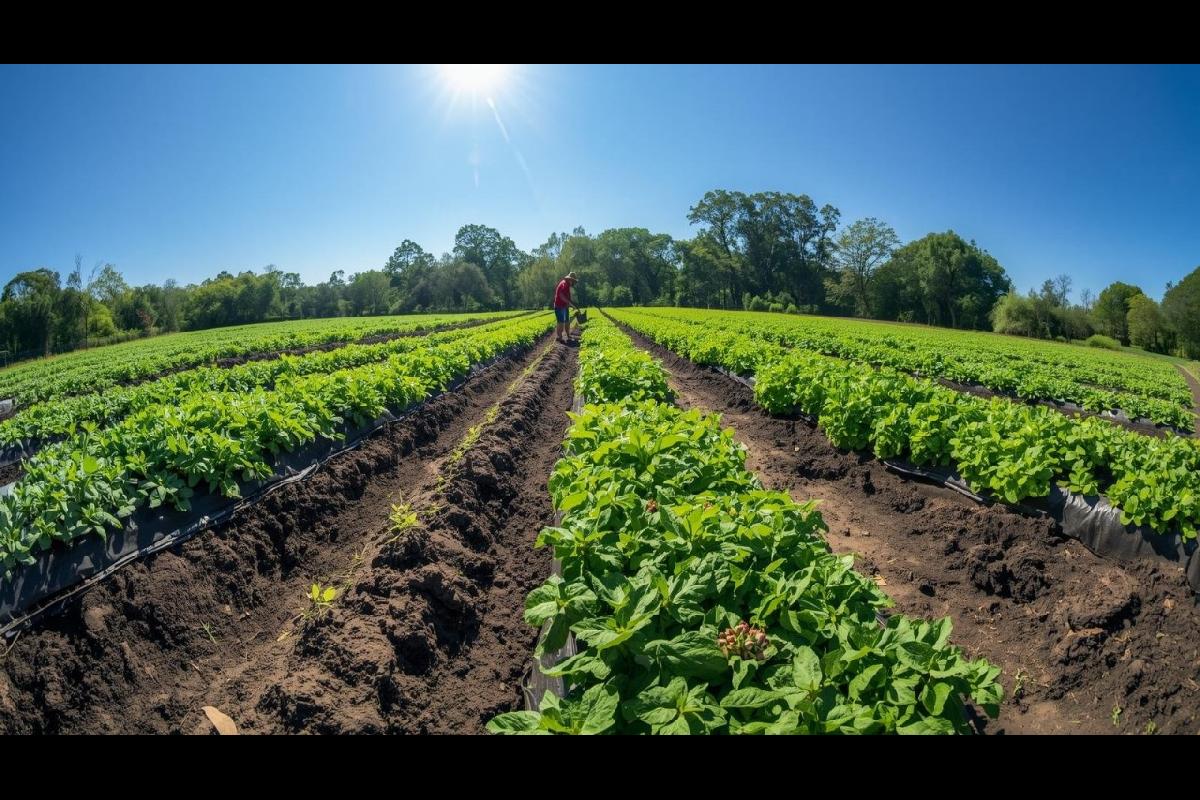
How Biochar is Boosting Soil Health and Capturing Carbon
Sustainable agriculture is crucial for addressing climate change and improving rural livelihoods. VayuVeda is helping farmers turn agricultural waste into biochar, a climate-positive soil amendment that enhances productivity while sequestering carbon.
What is Biochar?
Biochar is produced by controlled burning of crop residues and organic waste. This process converts farm waste into a stable, carbon-rich material that can be applied to soils, improving fertility and moisture retention.
Benefits for Soil and Crops
Applying biochar increases nutrient availability, retains water, and strengthens soil structure, making crops more resilient to drought and pests. Farmers see improved yields and healthier soils over time, creating a sustainable farming cycle.
Climate Impact
Biochar acts as a long-term carbon sink, storing carbon in the soil for years and reducing greenhouse gas emissions. By converting agricultural residues into biochar, VayuVeda promotes eco-friendly farming while mitigating climate change.
Empowering Farmers
VayuVeda trains and supports farmers in producing and using biochar effectively. This low-cost, practical solution not only enhances soil productivity but also contributes to sustainable rural livelihoods and environmental regeneration.
Biochar production by VayuVeda is transforming farming practices—enriching soil, boosting yields, and capturing carbon for a greener future.
Our Solutions

recent post
-
-
10 Aug 2025
How Biogas is Transforming Cooking ... -
01 Aug 2025
How VayuVeda is Transforming Indian...
recent post
contact
Monal Enclave, Lane No.6, Side B, Banjarawala, Dehradun 248001
Copyright © 2026 VayuVeda | All Rights Reserved. | Proudly created by Green Hightech